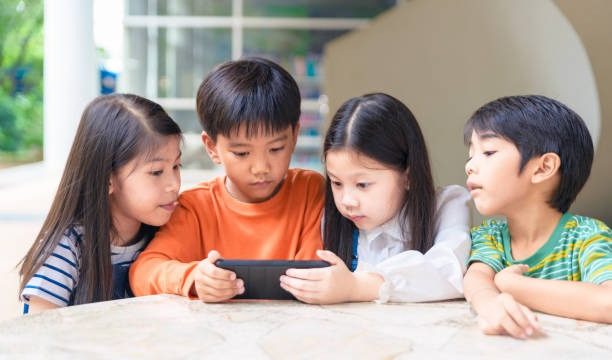
In the journey of childhood, friendships play a vital role in shaping a child’s social skills, emotional well-being, and overall happiness.
As parents and caregivers, fostering healthy peer relationships can be one of the most meaningful gifts we give our children.
This process isn’t just about ensuring they have friends; it’s about helping them cultivate connections that are supportive, respectful, and enriching.
Understanding the importance of peer relationships is the first step. Children learn a great deal from their interactions with friends. They practice communication, develop empathy, and even navigate conflict. These experiences can lay the groundwork for the types of relationships they will have throughout their lives. When kids have positive peer interactions, they are more likely to feel confident and secure, which contributes to their emotional resilience.
Creating a nurturing environment for friendships begins at home. Children often emulate the behaviors they see in their families. By demonstrating kindness, respect, and open communication, you can instill these values in your child. Encourage them to express their feelings openly and to listen to others. When they witness healthy dialogues and respectful disagreements at home, they are more likely to replicate those interactions with their peers.
A gentle approach to discussion about friendships can be beneficial. Instead of simply asking your child about their day, you might inquire about who they played with and what they enjoyed doing together. This opens up a dialogue that can lead to deeper conversations about their feelings and experiences. It also shows your child that you are genuinely interested in their social life, which can encourage them to share more.
As kids enter school or extracurricular activities, they will encounter a diverse range of personalities and backgrounds. This is an excellent opportunity to teach them about acceptance and understanding. Discuss the importance of being inclusive and kind to everyone, even those who might be different from them. Encouraging empathy in this way will help your child build a more expansive network of friendships and learn to appreciate the richness of diversity.
Sometimes, friendships can be challenging. Conflicts are a natural part of any relationship, and teaching kids how to handle disagreements is crucial. When they face conflicts, guide them through the process of resolving issues without resorting to anger or hurtful words. Role-playing can be an effective tool here; it allows children to practice how they might respond in various scenarios. This not only equips them with problem-solving skills but also boosts their confidence in handling social situations.
Encouraging your child to participate in team activities can also foster healthy peer relationships. Sports, clubs, or group projects offer opportunities for collaboration and teamwork. In these settings, children learn to support one another, celebrate victories together, and navigate losses with grace. These shared experiences can create lasting bonds that go beyond a single school year or activity.
As children grow, their social circles will evolve. It’s essential to help them recognize the signs of a healthy friendship versus a toxic one. Discuss the qualities of a good friend, such as trust, respect, and support. Encourage them to reflect on their friendships and recognize when they feel valued or when they might be feeling pressured or unhappy. This self-awareness will empower them to make choices that align with their well-being.
Another significant aspect of nurturing friendships is teaching children about boundaries. Understanding personal space, both emotionally and physically, is an important lesson. Discuss with them how to express their needs and feelings respectfully and to recognize when someone else is setting boundaries. This mutual respect is foundational for any healthy relationship.
In today’s digital age, friendships often extend into the online world. Teaching kids about responsible internet use is crucial. Discuss the importance of maintaining a positive online presence, being respectful in digital communications, and understanding the potential consequences of their actions online. Encourage them to approach online friendships with the same mindfulness and care they would apply to their face-to-face interactions.
A small shift toward balance can make a significant difference. While it’s natural to want our children to make friends, it’s equally important to allow them space to develop independence. Encourage them to engage in activities alone or with a smaller group. This helps them build confidence and discover their interests, which can attract like-minded friends.
Finally, remember that modeling healthy relationships extends beyond friendships. Your own interactions with friends, family, and colleagues serve as a powerful lesson for your child. Demonstrating kindness, effective communication, and conflict resolution in your relationships teaches them invaluable life skills. When they see you navigating friendships with grace and respect, they are more likely to emulate those behaviors.
In conclusion, nurturing healthy peer relationships in children is a multifaceted endeavor that requires patience, understanding, and guidance. By creating a supportive environment, encouraging open communication, and modeling positive behaviors, you can help your child develop friendships that not only enhance their childhood but also contribute to their overall emotional health and social skills. These relationships will be a source of joy and support throughout their lives, paving the way for a fulfilling and connected adulthood. The journey may be filled with ups and downs, but with your support, your child will learn to navigate the world of friendships with confidence and grace.