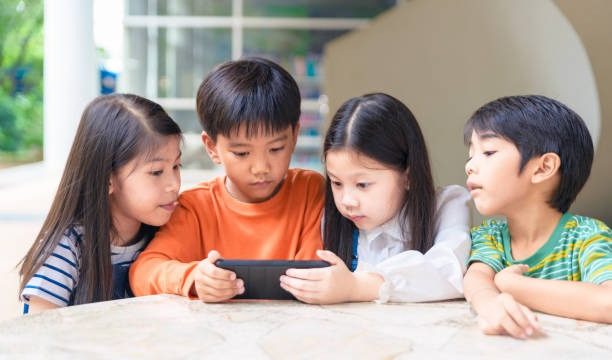
In the gentle world of childhood, play is more than just a pastime; it’s a vital avenue for learning and growth.
As children engage in various forms of play, they embark on a journey that shapes their social skills, emotional intelligence, and interpersonal relationships.
The act of playing is not merely about fun; it’s an essential building block for developing the social competencies that will serve children throughout their lives.
Exploring the world through play allows children to practice essential social skills in a safe and supportive environment. Whether they’re sharing toys with friends, negotiating roles in a game, or simply learning to take turns, each interaction offers valuable lessons. The beauty of play lies in its natural ability to encourage communication, cooperation, and empathy among young children. These interactions are often spontaneous and organic, providing a rich tapestry of experiences that contribute to their social development.
A natural setting for social skill development unfolds when children engage in imaginative play. Pretend play, for example, invites kids to step into different roles, sparking creativity while fostering understanding of various perspectives. As they navigate scenarios—becoming doctors, teachers, or superheroes—they learn to express their thoughts and feelings while also considering those of their playmates. This imaginative exploration nurtures empathy, as children begin to recognize and respect the emotions of others, a skill that is crucial in forming lasting relationships.
The importance of cooperative play cannot be overstated. When children engage in games that require teamwork, they learn to communicate effectively and work towards a common goal. This collaborative spirit teaches them to negotiate, share ideas, and resolve conflicts. The process of working together helps to cultivate a sense of belonging and community, as children realize that their contributions matter and that they are part of something larger than themselves. It’s in these moments of cooperation that lifelong friendships often blossom, rooted in shared experiences and mutual respect.
As children grow, the complexity of their play often evolves, reflecting their developing social skills. Group games, sports, and structured activities present opportunities for children to practice turn-taking, following rules, and accepting both victory and defeat with grace. These experiences are more than just fun; they instill a sense of fairness and the understanding that every participant has a role to play. Learning to navigate these dynamics helps children build resilience, as they encounter both the joys and challenges that come with group interactions.
In addition to structured play, unstructured playtime is equally important. Allowing children the freedom to explore on their own terms fosters independence and decision-making skills. During unstructured play, children often create their own games, negotiating the rules and roles as they go along. This autonomy empowers them to express their ideas and preferences, enhancing their confidence in social settings. The ability to initiate and lead play is a significant milestone in a child’s social development, as it encourages them to take initiative and engage with peers in a meaningful way.
The role of caregivers in this process cannot be overlooked. Adults can facilitate social skill development by providing opportunities for play and guiding interactions when necessary. Encouraging children to invite friends over for playdates, enrolling them in group activities, or simply allowing them to play outside with neighbors can create a rich social environment. It’s important for caregivers to observe and support these interactions, stepping in gently when conflicts arise or when a child may need help expressing themselves. This support helps children feel secure as they navigate their social world.
Creating a balanced environment where play is prioritized can have lasting effects on a child’s emotional and social well-being. It’s essential to recognize the signs of stress or anxiety in children, as these can hinder their ability to engage with others. Encouraging play as a form of expression can serve as a natural outlet for these emotions. Engaging in activities that promote relaxation, creativity, and connection can help children process their feelings and build resilience in the face of challenges.
As we reflect on the importance of play in developing social skills, it becomes clear that these early experiences lay the foundation for future interactions. The lessons learned in childhood—about sharing, empathy, and cooperation—echo throughout life, influencing how individuals relate to one another as adults. By fostering an environment that values play, we not only enrich children’s lives but also contribute to a more compassionate and connected society.
Ultimately, the journey of building social skills through play is a beautiful dance of learning, exploration, and growth. As children engage with their peers in a variety of playful scenarios, they are not just having fun; they are crafting the skills that will guide them through life’s myriad relationships. Encouraging this journey with warmth and support creates a nurturing space where children can flourish—emotionally, socially, and creatively.
In a world that often emphasizes achievement and productivity, let us not forget the value of play. It is through play that children learn to navigate the complexities of human interaction, developing the social skills that will serve them well into adulthood. So, let’s embrace the importance of play, celebrating each moment as a vital opportunity for connection and growth. After all, in the heart of every child’s laughter lies the promise of a brighter, more compassionate future.