In recent years, the world of science education has evolved dramatically, embracing innovative technologies that not only enhance learning but also prioritize safety. Among these advancements, virtual reality (VR) stands out as a powerful tool, transforming how students and enthusiasts engage with scientific concepts. By immersing users in a simulated environment, VR allows them to conduct experiments that might otherwise be too dangerous or impractical in a traditional classroom setting. This shift is not just about convenience; it’s about creating a safer, more engaging learning experience.
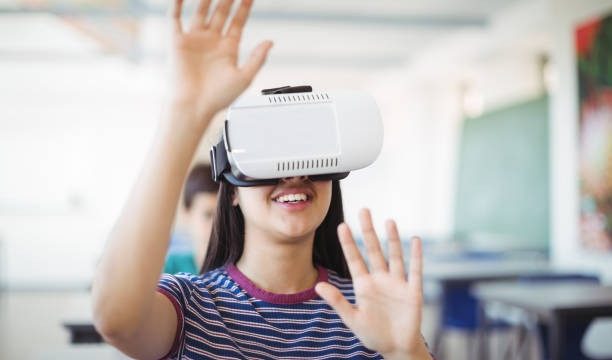
The charm of virtual reality lies in its ability to transport users into a completely different realm, where the boundaries of physical limitations fade away. Imagine a high school chemistry student, donning a VR headset, mixing volatile substances in a virtual lab without the risk of exposure to harmful chemicals. This kind of immersive learning not only bolsters confidence but also cultivates a deeper understanding of complex scientific principles. The experience becomes a journey of discovery, where mistakes can be made without dire consequences, allowing learners to explore freely.
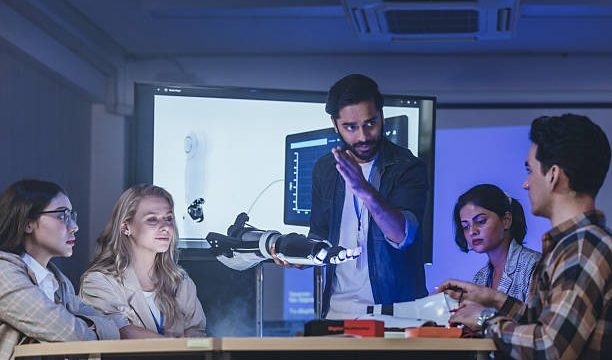
For educators, incorporating VR into the curriculum opens up a treasure trove of opportunities. Traditional science experiments often come with inherent risks—be it handling sharp instruments, working with heat sources, or managing chemical reactions. In a virtual environment, these hazards are eliminated. Teachers can guide students through intricate procedures, enabling them to visualize processes that would otherwise be difficult to grasp. This not only enhances comprehension but also encourages curiosity and experimentation.
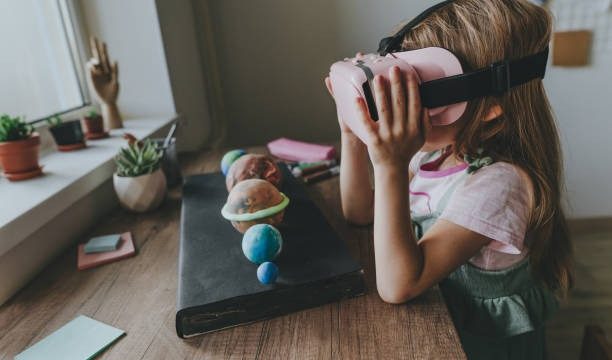
Creating a safe space for experimentation is especially crucial in younger age groups. Children are naturally inquisitive, often eager to explore the world around them. However, their understanding of safety protocols is still developing. With VR, children can engage in experiments that teach them the fundamentals of scientific inquiry while keeping them out of harm’s way. They can learn about the scientific method, hypothesize, test, and analyze results—all within a controlled virtual environment. This hands-on experience, devoid of physical risks, nurtures a love for science that can last a lifetime.
As VR technology continues to advance, the potential applications in science education are expanding. From biology to physics, the possibilities are virtually limitless. Imagine students exploring the human body from the inside, witnessing cellular processes in action or observing the laws of physics through interactive simulations of gravity and motion. These experiences can demystify complex topics, making them accessible and engaging for learners of all ages.
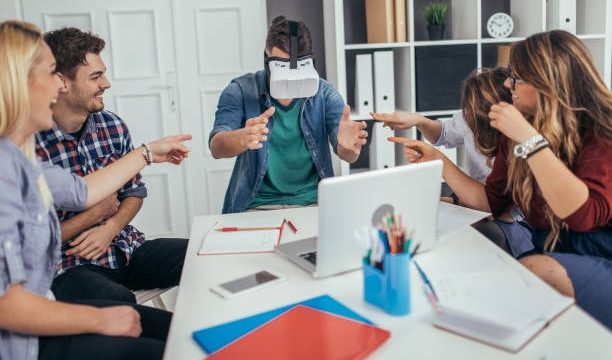
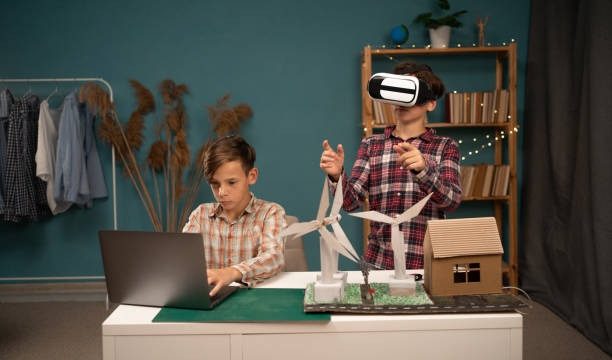
Moreover, the collaborative aspect of VR adds another layer of benefit. Students can work together in a shared virtual space, conducting experiments side by side, regardless of their physical location. This fosters teamwork and communication skills, essential traits in both scientific endeavors and everyday life. The ability to collaborate in a virtual lab not only enhances social interaction but also prepares students for future careers in an increasingly digital world.
One of the most significant advantages of utilizing VR in science education is its impact on inclusivity. Students with different learning styles or those who may struggle in traditional settings can find solace in a virtual environment. The interactive nature of VR allows for personalized learning experiences, catering to individual needs and preferences. This adaptability ensures that everyone, regardless of their background or abilities, can participate in scientific exploration.
As we navigate this exciting frontier, it is important to remember that while VR can greatly enhance safety and engagement, it should complement, not replace, traditional learning methods. The tactile experience of working with real materials and the social interactions that occur in a physical classroom are irreplaceable. A blended approach, combining VR with hands-on experiments and group discussions, can create a holistic learning environment that nurtures both understanding and enthusiasm for science.
Looking ahead, the integration of VR into science education is likely to expand beyond the classroom. With the rise of online learning platforms, students around the world can access immersive science experiences from the comfort of their homes. This democratization of education can empower learners in remote areas, offering them the same opportunities as those in more urban settings. It’s a step towards a more equitable future, where every child has the chance to explore the wonders of science safely and creatively.
As we embrace this technological revolution in education, it’s essential to approach it with mindfulness. While the allure of virtual reality is undeniable, thoughtful implementation will ensure that it serves as a tool for empowerment rather than distraction. Educators, parents, and students alike should engage in open dialogues about the potential benefits and challenges, fostering a community that values both innovation and critical thinking.
In conclusion, the marriage of science education and virtual reality represents a significant leap towards safer, more engaging learning experiences. By harnessing the power of VR technology, we can create a world where scientific exploration is not only accessible but also free from unnecessary risks. This shift towards immersive learning environments invites everyone to embark on a journey of discovery, fostering a generation of curious, informed, and safety-conscious individuals ready to contribute to the world of science. As we move forward, let us continue to explore the possibilities, ensuring that the future of science education remains bright, inclusive, and safe for all.