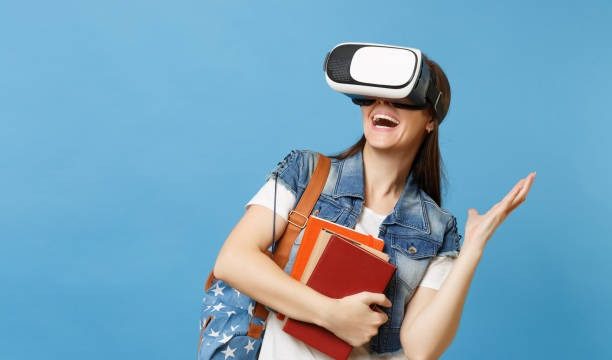
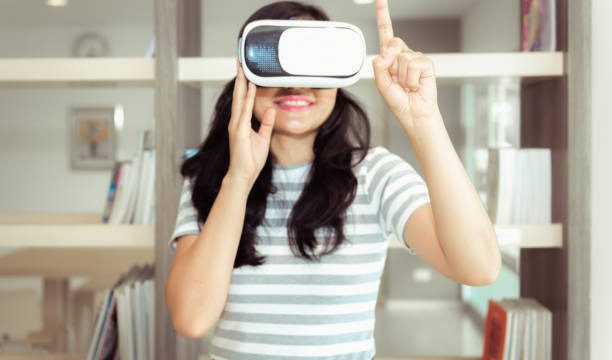
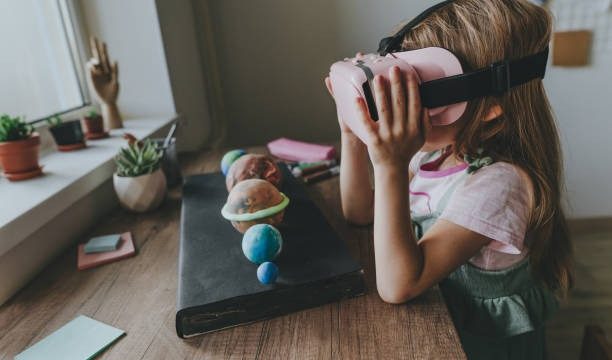
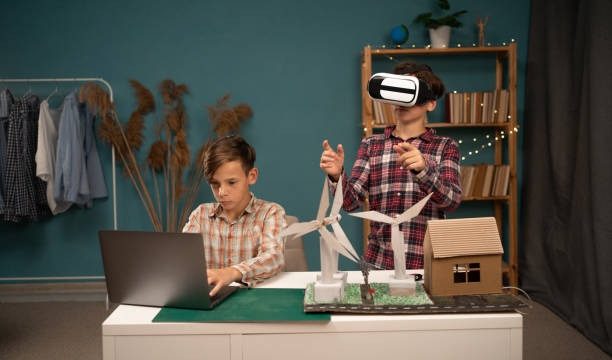
In recent years, virtual reality (VR) has emerged as an exciting tool in education, transforming the way we engage with complex subjects. Among these, geography stands out as a discipline rich with potential for immersive learning experiences. Imagine stepping into the heart of the Amazon rainforest or gazing at the majestic peaks of the Himalayas—all from the comfort of your classroom or living room. Using VR to teach geography not only makes learning more interactive, but it also fosters a deeper appreciation for our planet and its diverse cultures.
As educators and parents seek innovative ways to engage students, VR offers a unique solution. Traditional teaching methods often rely on textbooks and maps, which can sometimes feel distant and abstract. In contrast, VR brings geography to life, allowing learners to experience the world in vivid detail. This immersive experience can cultivate curiosity and inspire students to explore beyond their immediate surroundings.
The benefits of using VR in geography education extend beyond mere engagement. When students can visualize and interact with geographical features, they develop a stronger spatial awareness. For instance, standing on the edge of a virtual Grand Canyon allows learners to grasp the scale and grandeur of this natural wonder. They can observe how erosion shapes landscapes over time, providing a tangible context that textbooks alone cannot convey. This firsthand experience can be especially beneficial for visual and kinesthetic learners, who thrive when they can see and touch the concepts being taught.
A small shift toward balance in education can occur when teachers incorporate VR into their lesson plans. Instead of relying solely on lectures, educators can create a blended learning environment that combines traditional methods with immersive experiences. For example, a geography lesson on climate zones can be enriched by allowing students to explore different environments virtually. They could visit the Arctic tundra to learn about polar ecosystems, then transition to a tropical rainforest to understand biodiversity. This approach not only enhances comprehension but also encourages empathy for the diverse ecosystems that exist around the globe.
Moreover, VR can bridge cultural gaps, allowing students to engage with communities and traditions that may be far removed from their daily lives. Imagine a history lesson on ancient civilizations that transports students to the bustling streets of Rome or the serene temples of Kyoto. Experiencing these places in VR can foster a sense of connection and understanding that goes beyond mere facts and figures. Students can learn about local customs, languages, and histories in a way that feels personal and immediate. This cultural immersion can inspire a sense of global citizenship, encouraging students to appreciate the richness of human diversity.
Incorporating VR into geography lessons also aligns with the growing emphasis on experiential learning. Research indicates that students retain information better when they can actively participate in their learning experiences. With VR, students are not just passive recipients of knowledge; they are explorers, adventurers, and storytellers. This active participation can lead to deeper understanding and retention of geographical concepts.
As with any educational tool, it’s essential to approach VR with thoughtful consideration. While the technology can enhance learning, it should not replace critical thinking or traditional methods of inquiry. Teachers and parents can guide students in reflecting on their VR experiences, encouraging them to ask questions and engage in discussions. This reflective practice can help students integrate their virtual experiences with their broader understanding of geography and the world.
Creating a balanced approach to education also means recognizing the importance of accessibility. As VR technology continues to evolve, it is crucial to ensure that all students have the opportunity to engage with these experiences. Schools and educators can work together to find solutions that make VR accessible to diverse learning environments, ensuring that no student is left behind.
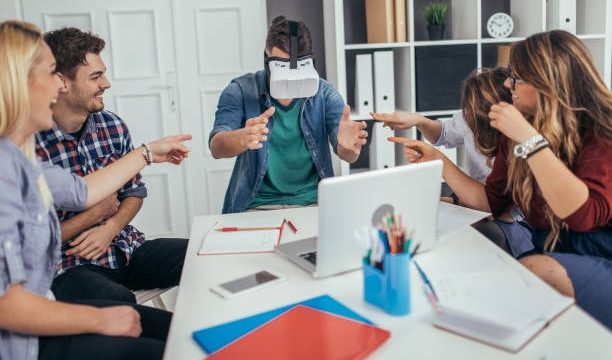
In addition to its educational benefits, using VR for geography can also enhance students’ emotional and social well-being. Exploring the world through virtual experiences can inspire wonder and awe, fostering a sense of adventure and curiosity. It can also encourage collaboration among students as they embark on virtual field trips together, sharing their discoveries and insights. This collaborative spirit can strengthen friendships and create a supportive learning community.
As we look to the future of education, the integration of technology like VR will likely continue to evolve. The potential for geographic exploration is vast, with opportunities for students to engage in real-time data analysis, environmental science, and global issues. Imagine students working together to address climate change by virtually exploring affected areas and discussing potential solutions. The possibilities are limited only by our imagination.
Ultimately, using VR to teach geography opens up a world of exciting possibilities. It invites students to step outside their comfort zones, explore new environments, and develop a global perspective. By fostering curiosity, empathy, and critical thinking, VR can play a pivotal role in shaping the next generation of informed and engaged citizens.
As we embrace this innovative approach to education, it’s essential to remember the underlying goal: to inspire a love for the world around us. Whether it’s through the thrill of virtual adventures or the joy of discovering new cultures, VR has the power to transform geography education into a vibrant and dynamic experience. With each virtual journey, students can cultivate a deeper appreciation for our planet, ultimately leading to a more connected and compassionate world.