Teaching Problem-Solving Through Fun Games
In a world that often seems to be moving at breakneck speed, nurturing problem-solving skills in children can sometimes feel like a daunting task.
Yet, what if the key to fostering these essential skills lies in something as simple and joyful as play? Incorporating games into learning can create an engaging environment where children not only develop critical thinking skills but also enjoy the process.
The beauty of games is their inherent ability to captivate attention and spark creativity.
When children are absorbed in play, they are more open to learning and exploring new concepts. This natural inclination to engage makes games an ideal medium for teaching problem-solving skills. Whether it’s a board game, a card game, or even an outdoor activity, the possibilities are endless.
Creating an inviting space for learning can be as simple as gathering some friends or family members around a table. Board games, for instance, have long been a staple in many households. Games like chess, which require strategic thinking and foresight, can subtly encourage players to think several steps ahead. As children learn to anticipate their opponent’s moves, they also develop the ability to assess situations critically and make informed decisions.
Similarly, cooperative games, where players work together to achieve a common goal, can be particularly effective in teaching problem-solving. These games foster collaboration and communication, essential skills in today’s interconnected world. When children engage in team activities, they learn to listen to others, share ideas, and collectively navigate challenges. This not only strengthens their problem-solving abilities but also builds a sense of community and support.
Outdoor games can also play a significant role in developing these skills. Activities like scavenger hunts or obstacle courses require children to think on their feet and adapt to changing circumstances. As they navigate through challenges, they learn to assess their surroundings, devise strategies, and, most importantly, learn from their mistakes. This trial-and-error process is a vital part of problem-solving, encouraging resilience and creativity.
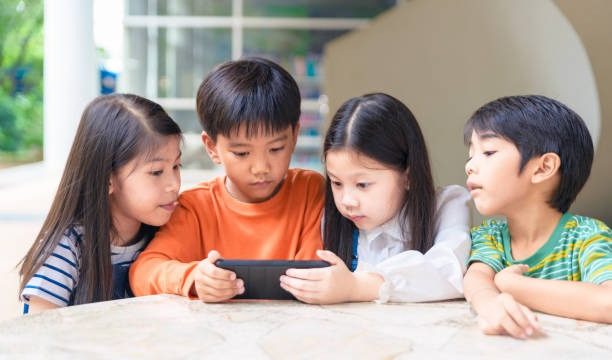
Incorporating technology into play can also enhance problem-solving skills. Many educational apps and games are designed to challenge children’s thinking in fun and engaging ways. These interactive platforms often present scenarios that require critical thinking and quick decision-making. As children immerse themselves in these digital landscapes, they are not just having fun; they are honing their ability to think logically and approach problems from different angles.
Another gentle approach to teaching problem-solving through games is storytelling. Role-playing games, where children assume different characters and navigate various scenarios, can be incredibly beneficial. Through storytelling, children can explore complex situations and learn to empathize with others, which is crucial for effective problem-solving. As they step into different shoes, they gain insights into diverse perspectives and develop their emotional intelligence.
It’s essential to remember that the ultimate goal of integrating games into learning is to create a positive experience. The emphasis should be on enjoyment rather than pressure. When children feel safe and excited to explore, they are more likely to engage deeply with the content. This joyful learning environment can foster a lifelong love of problem-solving, encouraging them to approach challenges with curiosity and confidence.
As parents and educators, it can be helpful to observe how children engage with games. Some may thrive in competitive settings, while others may prefer collaborative experiences. Understanding individual preferences can guide the selection of games that resonate with each child’s unique style. This personalized approach not only enhances the learning experience but also nurtures a sense of agency in children as they discover what works best for them.
Creating a balance between guidance and independence is also crucial. While it’s important to facilitate the learning process, allowing children to explore solutions on their own can be incredibly empowering. Stepping back and letting them navigate challenges fosters self-confidence and innovation. When they encounter obstacles, gently encouraging them to brainstorm solutions can lead to profound learning moments.
In this age of information overload, teaching children to approach problems with a calm and clear mind is invaluable. Games provide a natural platform for practicing these skills in a low-stakes environment. As they learn to analyze situations, weigh options, and make decisions, they are preparing themselves for the complexities of life beyond the playroom.
Transitioning from games to real-world problem-solving can be seamless. The skills learned through play can be applied to everyday situations, from resolving conflicts with friends to tackling homework challenges. As children grow, these foundational skills will serve them well, empowering them to face life’s uncertainties with a sense of resilience and creativity.
Incorporating fun games into the learning process is not just about teaching problem-solving skills; it’s about creating lasting memories and fostering connections. The laughter shared during a game, the excitement of overcoming a challenge together, and the joy of discovery are all part of a rich learning experience.
As parents and educators, embracing the power of play can transform the way we approach teaching problem-solving. By weaving games into our daily routines, we can help children develop the skills they need to thrive in an ever-changing world. With each roll of the dice or shuffle of the cards, we are not just playing; we are nurturing the thinkers, innovators, and problem solvers of tomorrow.
Ultimately, the journey of learning is a beautiful tapestry woven from experiences, challenges, and triumphs. By integrating fun games into this journey, we can create a vibrant atmosphere where children feel inspired to explore, learn, and grow. In the end, it’s all about fostering a love for learning that will last a lifetime, one playful moment at a time.