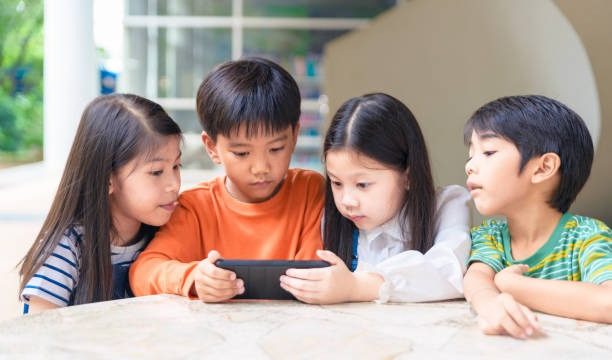
In the world of childhood development, the importance of play is often celebrated, yet the powerful role of toys in facilitating learning can sometimes be overlooked.
Toys are not just playthings; they are gateways to creativity, problem-solving, and social skills.
When we think about learning, it’s easy to envision a classroom setting filled with textbooks and lectures.
However, the truth is that learning can be joyful and engaging, especially when it happens through play with toys.
The magic of hands-on learning
Toys offer a unique opportunity for children to engage in hands-on learning experiences. When children manipulate objects, whether they are building blocks, puzzles, or art supplies, they are actively engaging their minds and bodies. This form of play encourages exploration and experimentation, allowing children to discover concepts in a way that is both natural and enjoyable. For instance, stacking blocks teaches basic engineering principles while also refining motor skills. The simple act of building can lead to conversations about balance, gravity, and even architecture.
As children play, they often ask questions, solve problems, and make decisions. This process of inquiry is essential for cognitive development. Toys that encourage imaginative play, such as dolls or action figures, allow children to create narratives and scenarios, fostering their ability to think critically and creatively. In these moments, the lines between learning and playing blur, creating a rich tapestry of experiences that contribute to a child’s growth.
A small shift toward balance
In today’s fast-paced world, many parents find themselves juggling various responsibilities, often leading to a focus on structured learning. While structure has its merits, incorporating toys into daily routines can create a more balanced approach to learning. When families prioritize play, they allow children to explore their interests and develop skills in a relaxed environment. This shift can be as simple as dedicating a few minutes each day to unstructured playtime, where children can choose their toys and engage in activities that spark their curiosity.
Engaging in play alongside children can also enhance the experience. Parents and caregivers can join in the fun, asking open-ended questions that stimulate conversation and encourage imaginative thinking. Sharing these moments not only strengthens bonds but also allows adults to observe how children interact with their toys, providing insights into their developmental stages and interests.
The social aspect of play
Toys also play a crucial role in social development. When children engage with peers, whether in a playgroup or at home, they learn essential social skills like sharing, taking turns, and communicating effectively. Board games, for example, can foster teamwork and sportsmanship, teaching children how to navigate both victory and defeat gracefully. These experiences are invaluable as they prepare children for future social interactions in school and beyond.
Moreover, toys that promote collaborative play, such as building sets or art supplies meant for group projects, encourage teamwork and cooperation. Children learn to listen to one another’s ideas, negotiate roles, and work collectively toward a common goal. These interactions not only enhance social skills but also instill a sense of empathy and understanding, crucial attributes for building meaningful relationships.
The power of creativity
Toys that stimulate creativity can have a profound impact on a child’s development. Art supplies, musical instruments, and construction sets allow children to express themselves and explore their unique ideas. When children create, they learn to think outside the box, experiment with different techniques, and develop a sense of accomplishment. This creative process can be deeply fulfilling and can lead to increased self-esteem and confidence.
Encouraging creativity doesn’t have to be a daunting task for parents. Simply providing a variety of materials and allowing children the freedom to explore can lead to incredible results. Whether it’s painting, sculpting, or building, the act of creating opens up a world of possibilities. Children learn that there is no right or wrong in art; the journey of creation itself is what truly matters.
Connecting through storytelling
Toys can also serve as powerful tools for storytelling, which is crucial for language development. When children engage in imaginative play with dolls or action figures, they often create rich narratives that help them practice language skills. They learn new vocabulary, develop narrative structures, and gain a deeper understanding of emotions and relationships.
Parents can enhance this aspect of play by encouraging storytelling sessions. Reading stories together, discussing characters, and even acting out scenes with toys can deepen a child’s comprehension and ignite their imagination. These shared experiences foster a love for storytelling, which can translate into a lifelong passion for reading and writing.
Creating a nurturing environment
To fully harness the learning potential of toys, it’s essential to create a nurturing environment that encourages exploration. This can be achieved by providing a safe space where children feel comfortable to play and learn. Organizing toys in a way that allows easy access can empower children to choose their activities independently. A well-curated selection of toys, tailored to a child’s interests and developmental stage, can spark curiosity and inspire engagement.
It’s also important to remember that the quality of play matters. Engaging with children during playtime, asking questions, and showing genuine interest in their activities can enrich their experiences. This approach not only enhances learning but also helps children develop trust and communication skills with their caregivers.
In conclusion, learning through play with toys is a beautiful and effective way to nurture a child’s development. By embracing the joy of play, parents can create an environment where learning feels natural and fun. Toys are not just objects; they are companions on the journey of discovery, creativity, and social interaction. As we shift our perspectives on learning, let us remember that the most profound lessons often happen in the simplest moments of play.