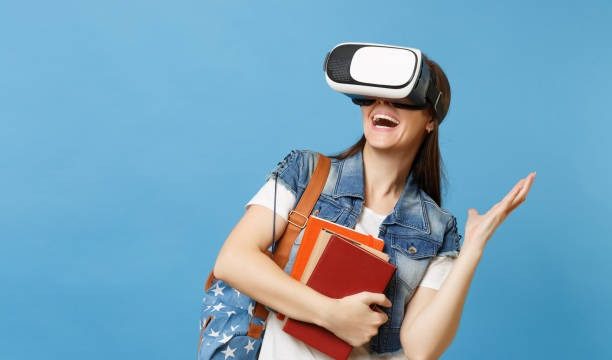
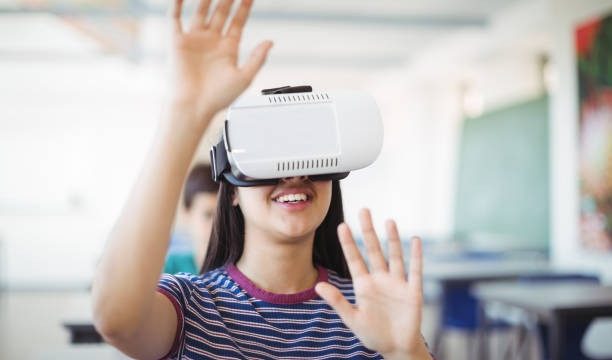
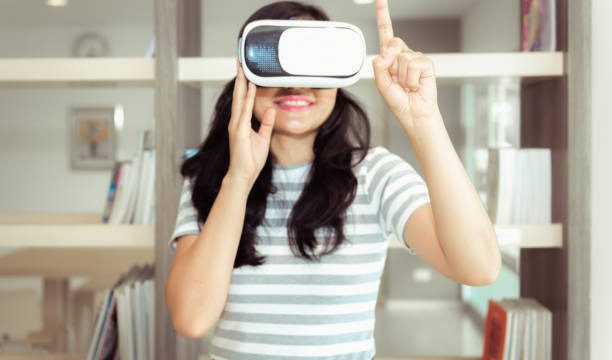
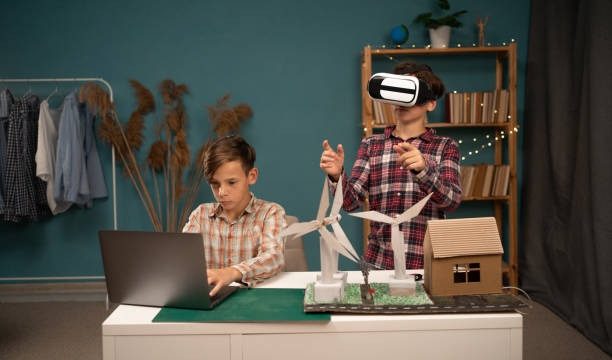
In recent years, the world of literature has begun to intertwine with technology in ways we could only dream of a decade ago. Virtual reality (VR), once confined to the realms of gaming and immersive experiences, is now making its way into the literary landscape. As we explore literature through virtual reality, we find ourselves not just reading stories, but stepping into them, allowing us to connect with narratives on a profoundly deeper level.
The allure of virtual reality lies in its ability to transport us beyond the confines of our everyday lives. Imagine donning a headset and finding yourself on the cobbled streets of Victorian London, feeling the chill in the air as you walk alongside characters from a classic novel. This is not just a passive experience; it is an invitation to engage with literature in a way that feels almost tangible. The sights, sounds, and even smells of a setting can become part of the narrative, drawing you in like never before.
A small shift toward balance occurs when we acknowledge that our engagement with literature has evolved. Traditional reading offers a unique form of connection, allowing us to interpret and imagine at our own pace. However, VR adds another dimension, creating an interactive space where we can explore themes and emotions through a different lens. By stepping into the shoes of various characters, we gain insights into their motivations and struggles, fostering empathy in a way that traditional reading sometimes cannot.
One of the most exciting aspects of exploring literature through VR is the potential for educational enrichment. Imagine students learning about Shakespeare by walking through a digital recreation of Elizabethan England, witnessing a performance of “Romeo and Juliet” as if they were part of the audience. This immersive method can bring historical contexts to life, making lessons more engaging and memorable. The ability to visualize scenes and settings can enhance understanding and retention, bridging the gap between text and experience.
As we delve deeper into the possibilities, we find that the literary world is responding to this technological shift with creativity and innovation. Authors and publishers are beginning to collaborate with VR developers to create immersive storytelling experiences that complement traditional narratives. These projects often include audio-visual elements that enhance the reader’s journey, allowing them to interact with the story in ways that were previously unimaginable.
The intersection of literature and virtual reality also opens up new avenues for storytelling itself. Writers are experimenting with narrative structures that take advantage of the immersive nature of VR. Instead of a linear plot, stories can become non-linear, allowing readers to choose their own paths and explore different outcomes. This interactivity invites readers to become co-creators of their literary experiences, leading to a more personalized connection with the material.
Yet, as we embrace this new frontier, it is essential to consider the balance between technological innovation and the timeless appeal of traditional reading. There is something undeniably soothing about curling up with a good book, the pages gently turning as we lose ourselves in the written word. Virtual reality, while exciting, should not overshadow the simple pleasures of reading. Instead, it should serve as a complement, enriching our literary lives while allowing us to appreciate the beauty of the written word in its classic form.
In a world where technology often feels overwhelming, exploring literature through virtual reality can offer a refreshing perspective. It encourages us to engage with stories in a way that is both playful and profound. The ability to step into a narrative can inspire creativity, spark imagination, and foster a deeper appreciation for the art of storytelling. This engagement with literature can also provide a sense of escapism, a much-needed respite from the stresses of daily life.
As we continue to navigate this evolving landscape, it is vital to approach VR literature with an open mind. Each experience offers a chance to discover new narratives and perspectives, expanding our understanding of the world and ourselves. Whether it’s a classic tale reimagined in a virtual space or an entirely new story crafted for VR, each interaction can deepen our connection to literature and to one another.
In conclusion, the exploration of literature through virtual reality is an exciting journey that invites us to engage with stories in innovative and meaningful ways. As we embrace this blend of technology and narrative, we can find balance between the immersive experiences that VR offers and the cherished tradition of reading. This harmony allows us to enjoy the best of both worlds, enriching our literary lives while remaining grounded in the love of storytelling. The future of literature is bright, and as we step into this new realm, we are reminded that the heart of every story lies in the connections it fosters—connections that can be experienced in ways we are only beginning to understand.