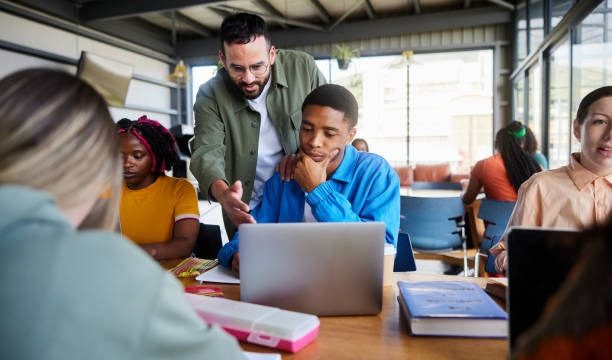
In today’s ever-evolving world, the ability to solve problems effectively is more important than ever. Whether you’re navigating personal challenges or tackling complex issues in the workplace, the skills you develop in college can lay a strong foundation for your future. As students contemplate their course selections, it’s essential to consider classes that emphasize practical problem-solving. These courses not only enhance critical thinking but also cultivate creativity and adaptability—qualities that are invaluable in both personal and professional realms.
Finding balance through interdisciplinary studies
Interdisciplinary courses are particularly enriching as they draw from diverse fields, allowing students to approach problems from various angles. For instance, a course that combines psychology and business can provide insights into consumer behavior while fostering a deeper understanding of human motivations. Students learn to analyze situations comprehensively, which can lead to innovative solutions that might not be evident when viewing a problem through a single lens.
Courses in environmental science often highlight the intricate connections between human activities and ecological systems. Students engage with real-world issues such as climate change, sustainability, and resource management. Through hands-on projects and case studies, they learn to devise strategies that balance human needs with environmental stewardship. This kind of problem-solving not only prepares students for careers in environmental advocacy but also encourages them to think critically about the impact of their choices.
The art of communication
Effective problem-solving is often rooted in strong communication skills. Courses in communication studies can be incredibly beneficial, teaching students how to articulate their ideas clearly and persuasively. As they learn to present arguments and collaborate with peers, they develop a keen ability to listen and respond to differing perspectives. This is crucial in resolving conflicts and finding common ground, whether in a team project or a community initiative.
Additionally, courses in public speaking and debate can empower students to express their thoughts confidently. The ability to communicate effectively can transform a good idea into a great one, as it allows for collaboration and the pooling of diverse insights. In today’s interconnected world, being able to convey one’s ideas clearly is a vital skill, not just for academic success but also for navigating the complexities of modern life.
Exploring the world of technology
In our technology-driven society, courses that delve into data analysis, programming, or information technology can provide students with the tools they need to tackle contemporary challenges. Understanding how to analyze data enables students to identify trends and make informed decisions. These skills are particularly relevant in fields like healthcare, finance, and marketing, where data-driven insights can lead to innovative solutions.
Moreover, courses in design thinking encourage students to approach problems creatively. This methodology emphasizes empathy, ideation, and prototyping, allowing students to develop solutions that are user-centered. By working on real-world projects, students can learn how to navigate ambiguity and iterate on their ideas—skills that are essential in any problem-solving scenario.
A nurturing approach to social sciences
Social science courses, such as sociology or anthropology, also offer valuable insights into human behavior and societal structures. By examining cultural norms and social dynamics, students gain a deeper understanding of the factors that contribute to various challenges. This perspective is particularly useful when addressing issues like inequality, public policy, or community development.
Engaging with these subjects encourages students to think critically about the world around them and consider the broader implications of their actions. This awareness can lead to more thoughtful and effective problem-solving, as students learn to take into account the diverse needs and experiences of different communities.
The power of hands-on experience
Many colleges offer experiential learning opportunities through internships or service-learning projects. These experiences allow students to apply their classroom knowledge to real-world situations, fostering practical problem-solving skills. Whether working on a community development project or interning at a corporation, students learn to navigate complex environments, collaborate with others, and adapt to changing circumstances.
Such hands-on experiences can be transformative, providing students with a sense of purpose and connection to their work. They often return to the classroom with a renewed perspective, eager to explore how they can apply their newfound skills to future challenges.
Cultivating a growth mindset
In addition to specific courses, fostering a growth mindset is essential for effective problem-solving. Students who embrace challenges and view failures as opportunities for growth are more likely to develop resilience and creativity. Many colleges incorporate this philosophy into their curricula, encouraging students to take risks and learn from their experiences.
By cultivating a supportive environment that values curiosity and exploration, institutions can empower students to tackle problems with confidence. This mindset not only enhances academic performance but also equips students with the tools they need to navigate life’s uncertainties.
As students embark on their academic journeys, choosing courses that emphasize practical problem-solving can set them on a path toward success. By engaging with diverse disciplines, honing communication skills, exploring technology, and gaining hands-on experience, they can develop a well-rounded approach to addressing challenges. Ultimately, these skills will serve them well, not just in their careers but in their personal lives as they navigate the complexities of the world around them.
In a time when adaptability and creativity are paramount, pursuing a college education that prioritizes practical problem-solving can be a transformative experience. It’s an investment in oneself, paving the way for a fulfilling and impactful life.