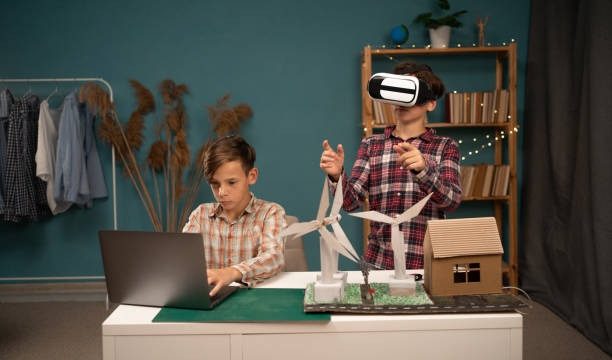
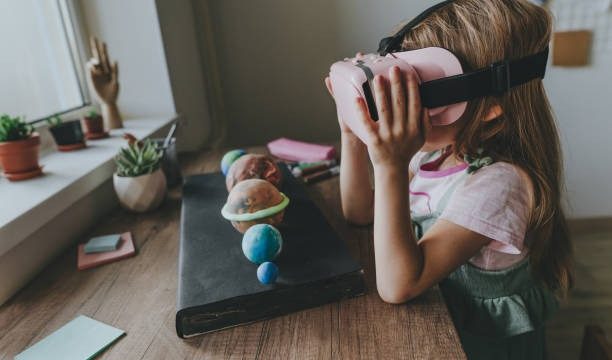
In recent years, the landscape of education has evolved dramatically, embracing technology in ways that were once only imagined in science fiction. Among the most exciting developments is virtual reality (VR), a medium that offers immersive experiences that can transform learning, particularly in the realms of art and design. Imagine stepping into a three-dimensional world where you can create, explore, and interact with art in ways that transcend traditional classroom boundaries. This is the essence of VR learning activities for art and design, a blend of creativity and technology that inspires both educators and students alike.
Creating in a virtual space opens up endless possibilities. For artists and designers, the ability to manipulate shapes, colors, and textures in a virtual environment allows for experimentation without the constraints of physical materials. Artists can paint on a virtual canvas that can be infinitely large, or sculpt in three dimensions with tools that would be impossible to replicate in the real world. The tactile sensation of working with materials is replaced by the freedom to explore ideas without the fear of wasting resources. This shift allows for a deeper understanding of artistic concepts and encourages innovation.
One of the most engaging aspects of virtual reality is the ability to collaborate in real-time with others, regardless of geographical barriers. Students can join virtual studios, working alongside peers from different backgrounds and cultures. This collaborative spirit fosters a sense of community and shared learning, enriching the creative process. Imagine a group of budding designers from various corners of the globe coming together to brainstorm and create a project. The exchange of ideas and perspectives can lead to truly unique outcomes, enhancing the learning experience beyond what any traditional classroom could offer.
As we delve into the world of virtual reality, we find that it not only enhances the creative process but also offers a new lens through which to view art history and theory. Virtual museums and galleries allow students to immerse themselves in art movements from different eras and cultures. They can walk through the halls of the Louvre or the Guggenheim and explore famous works up close, gaining insights that are often lost in textbooks. This kind of engagement with art history is transformative, as it invites students to connect emotionally with the pieces they study, fostering a deeper appreciation for the artists and their contexts.
Exploring artistic techniques through virtual reality can also be a profoundly enriching experience. Imagine a student learning about the intricacies of oil painting or the methods of a renowned sculptor by actually trying their hand at it in a virtual setting. With guided tutorials and interactive lessons, VR can demystify complex techniques, making them more accessible to learners of all skill levels. The ability to practice these techniques in a safe and supportive environment encourages students to take risks, experiment, and ultimately develop their own unique artistic voice.
A gentle shift toward balance is often needed in our learning environments. With the fast-paced nature of technology, it’s easy to overlook the importance of mindfulness in the creative process. Virtual reality can provide a serene space where students can focus solely on their craft, free from the distractions of the outside world. Engaging in VR art and design activities can be meditative, allowing for a deeper connection to one’s creative self. This mindfulness can lead to improved concentration and a greater sense of well-being, essential components of a fulfilling artistic journey.
It’s also worth considering the inclusivity that virtual reality brings to art and design education. For students with disabilities, VR can offer adaptive tools and environments that cater to their unique needs. This technology can level the playing field, providing opportunities for all students to express their creativity in a way that traditional methods may not allow. By embracing VR, educators can create a more inclusive atmosphere that celebrates diverse talents and perspectives.
As we explore the potential of virtual reality in art and design, it’s important to approach these innovations with intention and care. While the technology offers exciting possibilities, it should complement rather than replace traditional methods of teaching and learning. The goal is to create a harmonious blend of experiences that enrich students’ understanding of art and design, fostering both technical skills and emotional intelligence.
Incorporating virtual reality into art and design education invites us to rethink our definitions of creativity and learning. It encourages a sense of adventure, pushing boundaries and inviting students to explore their artistic potential in new and exciting ways. As educators and learners, we have the opportunity to embrace this technology, harnessing its power to inspire and connect us in ways we never thought possible.
In conclusion, virtual reality learning activities for art and design offer a refreshing and innovative approach to education. They create immersive experiences that foster creativity, collaboration, and a deeper understanding of artistic principles. As we navigate this new frontier, we are reminded of the timeless essence of art—the desire to express, explore, and connect with ourselves and others. By integrating VR into our artistic journeys, we are not just learning; we are experiencing the world of art in a way that is rich, fulfilling, and wonderfully transformative.