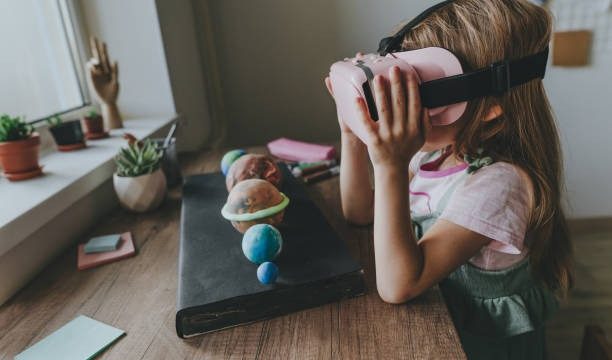
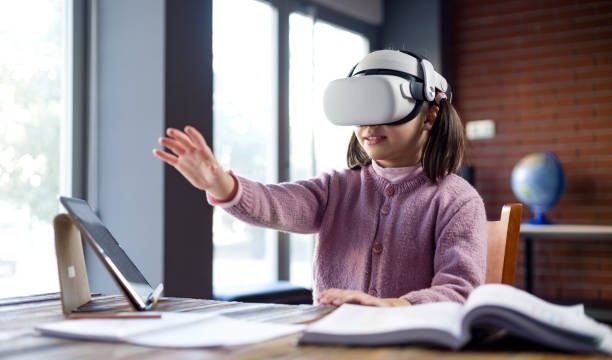
In recent years, virtual reality (VR) has transitioned from an intriguing novelty to a powerful medium for storytelling. This immersive technology has found its way into various sectors, including education, where it offers unique lessons that can transform the way we engage with narratives. Imagine stepping into the shoes of a historical figure or walking through the pages of a classic novel. Virtual reality has the potential to bridge the gap between imagination and reality, bringing stories to life in ways we once thought were only possible in our dreams.
The beauty of virtual reality lies in its ability to create an immersive experience that transcends traditional storytelling. When we read a book or watch a film, we often find ourselves distanced from the characters and the plot. However, with VR, the audience becomes an active participant in the story. This shift in engagement allows individuals to explore narratives on a deeper level, fostering empathy and understanding in ways that are hard to achieve through conventional media.
Imagine exploring the vibrant streets of ancient Rome, feeling the texture of the cobblestones beneath your feet and hearing the distant chatter of citizens going about their daily lives. In a VR lesson, students can not only learn about history but also experience it firsthand. This sensory engagement can lead to a more profound appreciation of historical events and cultural contexts. When students step into the past, they are not merely observing; they are living it, allowing for a richer understanding of the complexities of human experience.
A small shift toward balance can also be observed in literature classes that incorporate VR. Instead of reading about a character’s emotional turmoil, students can experience it in a visceral way. For instance, a VR adaptation of a classic novel might allow students to inhabit the mind of a protagonist grappling with difficult choices. This immersive experience can evoke genuine emotions, encouraging students to connect with the material on a personal level. The depth of understanding gained through such experiences can lead to thoughtful discussions and reflections that go beyond surface-level interpretations.
Moreover, VR opens doors to diverse narratives that might otherwise be overlooked. Many cultures have rich storytelling traditions that can be beautifully expressed through this medium. By immersing ourselves in different cultures and perspectives, we can cultivate empathy and broaden our understanding of the world. A VR lesson that transports students to a traditional storytelling circle in a remote village can spark curiosity and foster respect for diverse viewpoints. This kind of engagement is invaluable in today’s increasingly interconnected world, where understanding and appreciating diversity is essential.
As we explore the educational benefits of VR, we also recognize its potential for personal growth. Engaging with stories through virtual reality can serve as a powerful tool for mindfulness and self-reflection. For instance, a VR experience designed around a character’s journey of self-discovery can prompt individuals to reflect on their own lives. By witnessing the struggles and triumphs of a fictional character, users can gain insights into their own challenges, fostering a sense of connection that can be both healing and transformative.
In the realm of wellness, virtual reality can also provide a safe space for individuals to confront their fears and anxieties. Exposure therapy, often used in mental health treatment, can be enhanced through VR by allowing individuals to face their fears in a controlled and supportive environment. For example, someone with a fear of public speaking could practice in a virtual setting, gradually building confidence and resilience. This application of VR not only highlights its therapeutic potential but also emphasizes the importance of storytelling in the healing process.
As educators and storytellers embrace this technology, it’s crucial to approach it with intention and mindfulness. The stories we choose to tell and the ways we present them have the power to shape perceptions and influence attitudes. By curating experiences that promote empathy, understanding, and personal growth, we can harness the full potential of virtual reality to enrich lives and inspire change.
Incorporating VR into storytelling also invites innovation in how we create and share narratives. Writers, filmmakers, and educators are now challenged to think outside the box, exploring new ways to engage audiences. The collaborative nature of VR allows for the blending of various art forms—visual art, music, and literature—all coming together to create a multi-sensory experience. This fusion can lead to the emergence of entirely new genres and storytelling techniques, pushing the boundaries of creativity and expression.
As we look to the future, the possibilities for virtual reality in education and storytelling are boundless. Schools and institutions are beginning to recognize the value of immersive experiences, and we can anticipate an increase in VR content tailored for various subjects and age groups. This evolution will not only enhance traditional curricula but also inspire a new generation of storytellers who are eager to explore and innovate.
Ultimately, virtual reality lessons that bring stories to life serve as a reminder of the enduring power of narrative. Stories have always been a fundamental part of the human experience, shaping our understanding of the world and ourselves. By embracing new technologies like VR, we can breathe fresh life into these narratives, allowing them to resonate in ways that are more profound than ever before. As we step into these virtual worlds, we open ourselves to new perspectives, deeper connections, and the potential for transformative experiences—reminding us that, at their core, stories remain a vital part of our collective journey.