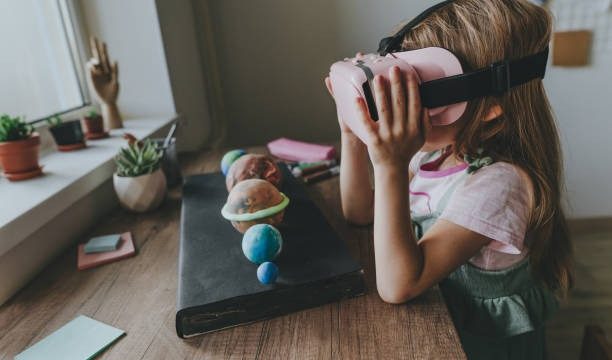
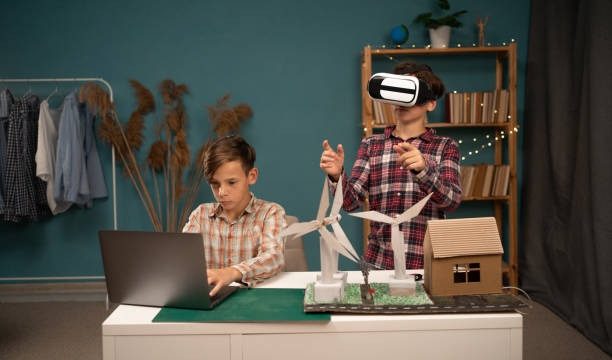
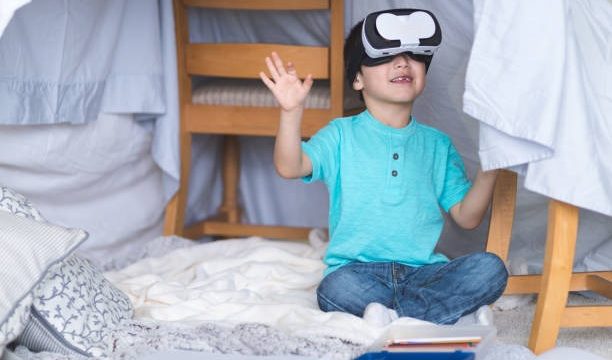
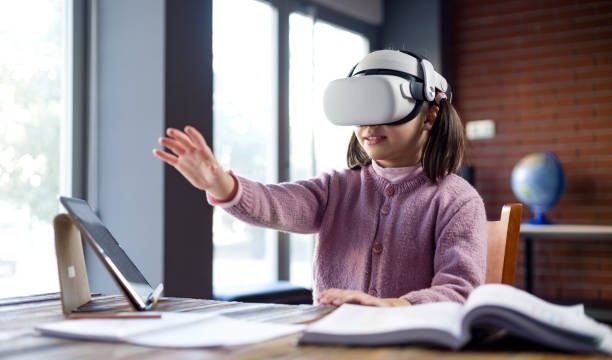
In the age of technology, where screens often dominate our attention, a new frontier in education is emerging: virtual reality (VR) learning. This innovative approach invites us to step outside our usual environments and embark on immersive adventures that not only educate but also inspire exploration. Imagine being able to walk through ancient ruins, dive into the depths of the ocean, or travel back in time—all from the comfort of your home. This is not just a fantasy; it’s the reality of VR learning.
The allure of VR lies in its ability to transform traditional learning into a dynamic experience. Unlike textbooks or lectures, VR immerses learners in a three-dimensional space where they can interact with their surroundings. This sensory engagement is not only captivating but also enhances retention and understanding. When learners can see, hear, and even manipulate their environment, the information becomes more relatable and easier to grasp.
One of the most remarkable aspects of VR learning is its capacity to transport us to places we may never have the opportunity to visit. Imagine being a history student who can wander through the streets of ancient Rome, observing the architecture and social interactions of the time. This kind of experiential learning can ignite a passion for history that a classroom setting may struggle to inspire. By stepping into these environments, students gain a deeper appreciation of the past, fostering curiosity and a desire to explore further.
In addition to historical exploration, VR offers a gateway to the natural world. For those fascinated by biology or environmental science, virtual reality can simulate ecosystems in ways that textbooks simply cannot. Picture walking through a rainforest, observing the intricate relationships between species, or experiencing the fragility of coral reefs through a virtual dive. These adventures not only educate but also cultivate a sense of responsibility towards our planet. When learners can visualize the impact of climate change on these ecosystems, they may feel inspired to take action in their own lives.
The integration of VR in education is not limited to science and history. Language learning, too, has found a vibrant new avenue through virtual experiences. Imagine practicing French while strolling through the streets of Paris or learning Spanish by interacting with locals in a bustling marketplace. This immersive approach allows language learners to experience cultural nuances and conversational dynamics firsthand, making the learning process more engaging and effective.
As we embrace this technology, it’s important to recognize the potential for VR to foster empathy and understanding. By stepping into someone else’s shoes—whether it’s experiencing a day in the life of a refugee or witnessing the challenges faced by individuals with disabilities—learners can cultivate a deeper sense of compassion. These virtual experiences can break down barriers, encouraging a more inclusive worldview and inspiring individuals to explore issues that matter to them.
For educators, the integration of VR into their teaching toolkit opens up new possibilities. It encourages creativity and innovation in lesson planning, allowing teachers to design experiences that resonate with their students. Rather than simply delivering information, they can guide learners on journeys that promote critical thinking and problem-solving. This shift towards experiential learning can invigorate the classroom, making education a shared adventure rather than a one-sided lecture.
However, the journey into VR learning is not without its considerations. As with any technology, it’s essential to approach it mindfully. Balancing screen time with real-world experiences remains crucial. While VR can enhance learning, it should complement—not replace—traditional methods. Encouraging learners to engage with the world around them, whether through outdoor exploration or community involvement, will create a more holistic educational experience.
As we look to the future, the possibilities for VR learning are boundless. With advancements in technology, we can expect even more realistic and interactive experiences that continue to inspire exploration. Imagine virtual field trips to Mars or the opportunity to witness the wonders of the universe through a simulated journey among the stars. These experiences could spark interest in science and technology, motivating a new generation of explorers, scientists, and innovators.
The beauty of VR learning is not just in the knowledge gained but in the connections formed. It encourages collaboration among learners, fostering a sense of community as they embark on adventures together. Whether it’s working on a group project in a virtual lab or participating in a global classroom with peers from different cultures, these shared experiences can create lasting bonds and broaden perspectives.
In a world that often feels divided, VR learning has the potential to unite us through shared exploration. It encourages curiosity, empathy, and a sense of wonder about the world we inhabit. As we navigate this new landscape, let us embrace the opportunities it presents, encouraging both ourselves and future generations to explore, learn, and grow.
In conclusion, virtual reality is not just a tool for education; it’s an invitation to embark on adventures that inspire exploration. It bridges the gap between knowledge and experience, allowing learners to engage with the world in profound ways. As we venture into this exciting realm, let us remember to balance our virtual explorations with the beauty and richness of the real world, cultivating a lifelong love for learning and discovery.