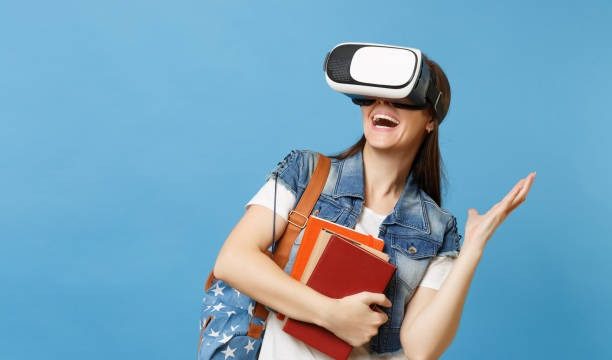
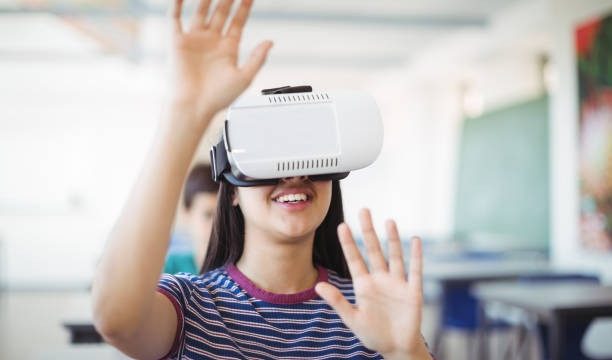
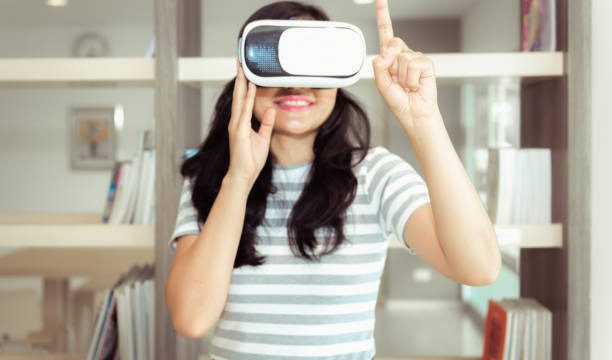
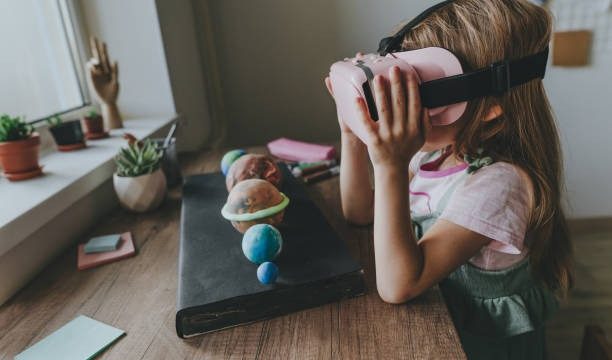
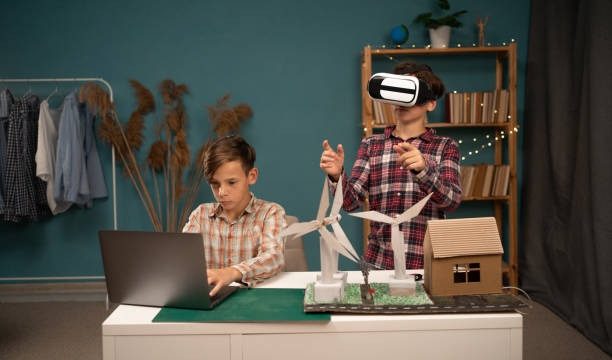
In today’s fast-paced, technology-driven world, the way we learn and engage with education is evolving rapidly. Among the most exciting developments is the rise of virtual reality (VR) learning tools, especially in the realm of STEM (Science, Technology, Engineering, and Mathematics) education. These immersive experiences not only captivate young minds but also foster a deeper understanding of complex concepts, making learning both enjoyable and effective.
Imagine stepping into a virtual lab, where you can conduct experiments without the constraints of a physical classroom. VR technology allows students to explore scientific phenomena, manipulate variables, and observe outcomes in a way that traditional methods simply cannot replicate. The tactile nature of these experiences, combined with the visual and auditory elements of VR, can significantly enhance the learning process. Students are not just passive recipients of information; they actively engage with it, leading to a more profound grasp of the subject matter.
A gentle introduction to virtual reality in education can be incredibly beneficial. Schools and educators are beginning to recognize the potential of VR tools to create interactive and stimulating learning environments. For instance, a student studying biology can virtually dissect a frog or observe the intricate processes of cellular division in a 3D space. This hands-on approach can demystify complex topics, making them more approachable and less intimidating.
The beauty of VR lies in its ability to transport students to locations and scenarios that would be otherwise inaccessible. Imagine a group of students exploring the surface of Mars or diving into the depths of the ocean to study marine life. Such experiences can ignite curiosity and inspire a passion for learning that extends beyond the classroom. By bringing abstract concepts to life, VR enables students to visualize and understand the world around them in ways that textbooks alone cannot achieve.
As educators strive to make STEM subjects more engaging, VR tools can also cater to diverse learning styles. Some students thrive in visual environments, while others may learn better through auditory or kinesthetic experiences. Virtual reality offers a rich tapestry of learning modalities, allowing each learner to find their path. This inclusivity fosters a sense of belonging and encourages all students to participate actively in their education.
The integration of VR in STEM education is not without its challenges, however. Access to the necessary technology can be a barrier for some schools, particularly those in underfunded areas. Additionally, educators may require training to effectively incorporate VR tools into their curriculum. Yet, as more institutions recognize the benefits of immersive learning, there is a growing movement to provide resources and support for both teachers and students.
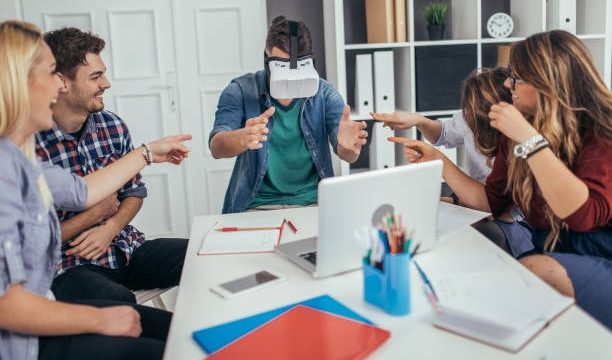
One of the most promising aspects of VR learning tools is their potential to promote collaboration. Students can work together in virtual environments, sharing experiences and insights as they tackle challenges. This collaborative aspect can mirror real-world problem-solving, a crucial skill in today’s interconnected society. By encouraging teamwork and communication, VR can help students develop not just academic knowledge but also social skills that are essential for their future endeavors.
Another important consideration is the role of gamification in VR learning. Many VR educational tools incorporate game-like elements, which can enhance motivation and engagement. When students are challenged to solve puzzles or complete tasks within a virtual environment, they are more likely to invest time and effort into the learning process. This playful approach can transform even the most complex subjects into enjoyable experiences, making learning feel less like a chore and more like an adventure.
As we look ahead, the future of STEM education is undoubtedly intertwined with advancements in virtual reality technology. With ongoing developments, we can expect even more innovative tools that will further enhance the learning experience. Imagine virtual field trips that allow students to explore historical sites or scientific research facilities without leaving their classrooms. The possibilities are endless, and they all point toward a more engaging and interactive educational landscape.
Moreover, as VR technology becomes more accessible, it is likely to play a significant role in lifelong learning. Adults seeking to upskill or pivot in their careers can benefit from immersive training programs that replicate real-world scenarios. Whether it’s engineering simulations or coding boot camps, the applications of VR in education are vast and varied.
In conclusion, the integration of virtual reality learning tools into STEM education represents a small shift toward a more engaging and effective approach to teaching. By fostering curiosity, encouraging collaboration, and catering to diverse learning styles, VR has the potential to transform how we understand and interact with the world of science, technology, engineering, and mathematics. As we embrace these innovative tools, we open the door to a future where learning is not just informative but also inspiring. In this evolving educational landscape, students are empowered to explore, create, and innovate—skills that will serve them well in their academic journeys and beyond.