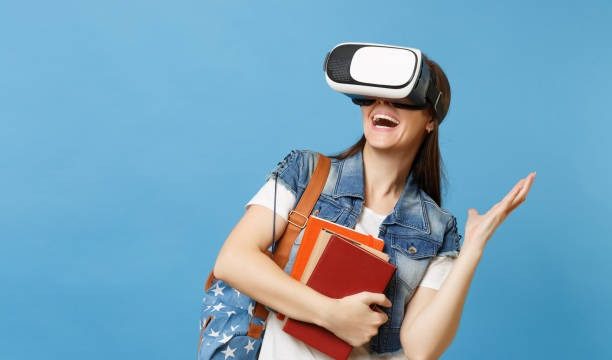
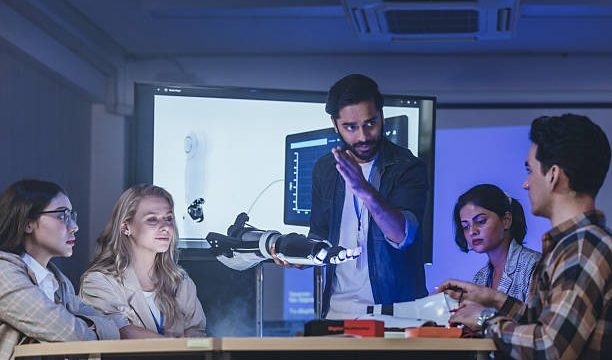
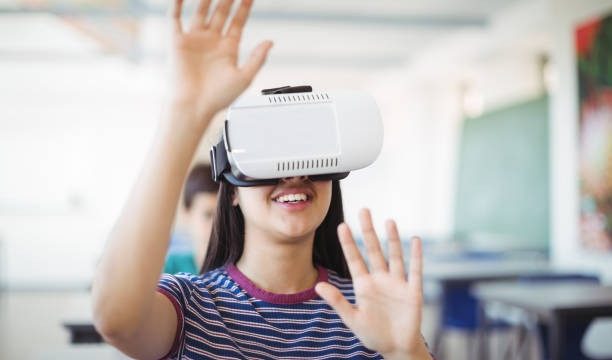
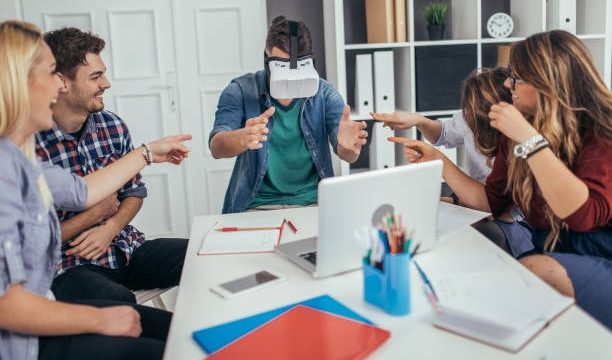
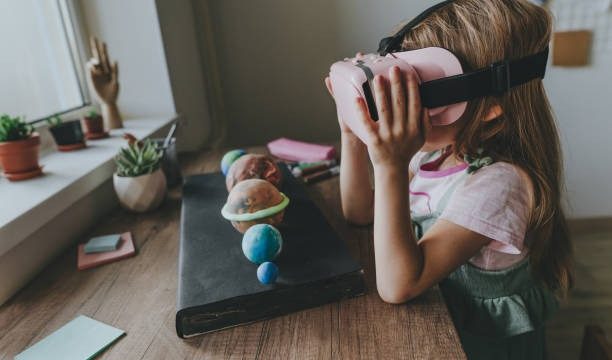
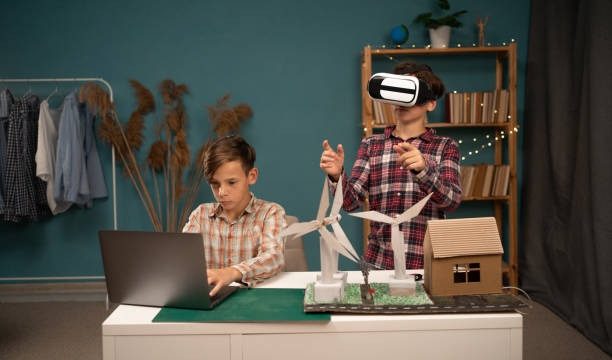
In recent years, the world of education has seen a remarkable transformation, particularly in how we approach teaching art and design. The emergence of virtual reality (VR) technology has opened up a new realm of possibilities for educators and students alike. Imagine stepping into a three-dimensional space where creativity knows no bounds, where students can explore and experiment with art and design concepts in ways that were previously unimaginable. This is the promise of VR in the realm of education, and it is changing the way we think about learning.
The magic of virtual reality lies in its ability to immerse users in a fully interactive environment. For art and design educators, this means creating a space where students can engage with their subject matter on a deeper level. Traditional classroom settings often limit the ways in which students can express their creativity. Paintbrushes and sketchpads are wonderful tools, but they can sometimes feel confining. With VR, students can paint in mid-air, sculpt in 3D, and even walk through their own creations as if they were real. This immersive experience cultivates a sense of freedom and exploration that is difficult to replicate in a conventional classroom.
One of the most exciting aspects of using VR in art education is the opportunity for experiential learning. When students can interact with art and design concepts in a virtual space, they are not merely observing; they are participating in the creation process. This hands-on approach encourages experimentation and risk-taking, essential components of the artistic journey. In a VR environment, mistakes can be seen as stepping stones rather than setbacks. Students feel empowered to try new techniques and push the boundaries of their creativity without the fear of ruining a physical canvas.
As we delve deeper into the benefits of VR, it becomes clear that accessibility is a significant advantage. Art and design programs can sometimes be limited by resources, such as studio space or expensive materials. Virtual reality can level the playing field, allowing students from various backgrounds and skill levels to access tools and experiences that might otherwise be out of reach. Whether it’s sculpting a digital statue or designing an intricate landscape, VR provides opportunities for every student to engage with art and design in a meaningful way.
Moreover, VR can facilitate collaboration among students, regardless of their physical location. Imagine a group of budding artists from different parts of the world coming together in a virtual studio. They can share ideas, provide feedback, and create art collectively, all while exploring diverse perspectives and cultures. This collaborative spirit not only enriches the learning experience but also fosters a sense of community among students who might otherwise never meet.
As we explore the integration of VR in teaching art and design, it’s essential to consider the various applications of this technology. For instance, students can take virtual field trips to renowned museums, where they can examine masterpieces up close and learn about the history and techniques behind them. This exposure to different styles and eras can inspire students and broaden their understanding of art as a whole. Additionally, they can engage in virtual workshops led by professional artists, gaining insights and skills directly from experts in the field.
A gentle shift toward balance is also a crucial aspect of incorporating VR into art education. While the technology offers exciting possibilities, it’s essential to strike a balance between virtual experiences and traditional methods. Students should still have the opportunity to work with tangible materials, allowing them to develop their tactile skills and connect with the physical aspects of art. The combination of VR and hands-on techniques can lead to a well-rounded education, nurturing both the mind and the senses.
As educators, it’s vital to approach the implementation of VR thoughtfully. While the technology can enhance the learning experience, it should not overshadow the core principles of teaching art and design. Educators must ensure that the use of VR aligns with learning objectives and encourages critical thinking, creativity, and self-expression. By integrating VR in a way that complements traditional methods, teachers can create a harmonious learning environment that fosters growth and exploration.
Looking ahead, the possibilities for VR in art and design education are boundless. As technology continues to evolve, we can expect even more innovative approaches to teaching and learning. The future may hold virtual reality art galleries, where students can showcase their work to a global audience, or interactive design challenges that encourage collaboration and innovation. Each advancement brings us closer to a world where creativity knows no limits.
In conclusion, the integration of virtual reality into art and design education is a transformative journey that invites students to explore, create, and connect in ways that were once thought impossible. By immersing students in interactive environments, fostering collaboration, and maintaining a balance with traditional methods, we can cultivate a generation of artists and designers who are not only skilled but also deeply inspired. As we embrace this new era of learning, let us celebrate the endless possibilities that VR brings to the world of art and design education. Through this innovative approach, we are nurturing a future filled with creativity, expression, and boundless imagination.