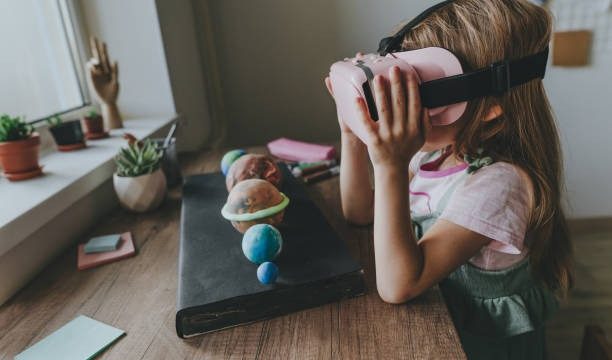
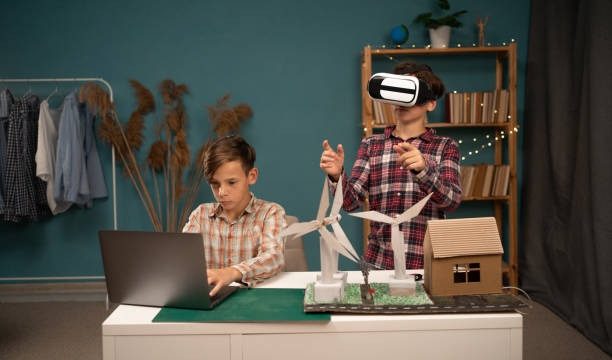
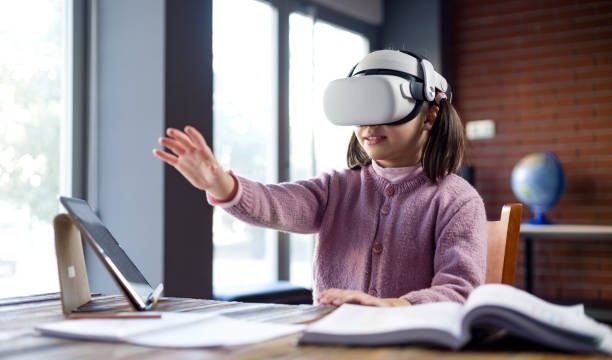
In a world where technology is constantly evolving, virtual reality (VR) stands out as a captivating frontier, offering experiences that blend education and entertainment in unprecedented ways. Imagine stepping into a vibrant, immersive world where you can not only observe but also interact and learn in ways that traditional methods often cannot replicate. This is the essence of hands-on learning in virtual reality, a journey that invites you to engage with your surroundings in a deeply personal and impactful manner.
The beauty of hands-on learning through VR lies in its ability to transcend the limitations of physical space. Picture a classroom where students can explore the depths of the ocean, traverse the surface of Mars, or even walk through the halls of ancient civilizations—all from their desks. This level of engagement can spark curiosity and foster a genuine love for learning, as it transforms abstract concepts into tangible experiences. The immersive nature of VR creates a sense of presence that is often missing in conventional learning environments, making education feel less like a chore and more like an adventure.
One of the most compelling aspects of virtual reality is its versatility. It caters to a wide range of subjects, from science and history to art and language. For instance, a student studying biology can virtually dissect a frog or observe the intricate processes of cellular division, gaining insights that would be hard to achieve through textbooks alone. Similarly, history enthusiasts can walk through ancient cities, witnessing the architecture and culture of the past firsthand. This multifaceted approach allows learners to connect with the material on a deeper level, reinforcing knowledge through experience.
As we navigate the landscape of hands-on learning in VR, it’s essential to recognize the emotional and social dimensions that accompany these experiences. Many VR platforms encourage collaboration, allowing users to interact with peers or instructors in real-time. This social aspect can enhance motivation and create a sense of community, as learners share discoveries and insights. Engaging with others in a virtual setting can foster teamwork and communication skills, preparing individuals for collaborative work in the real world.
A small shift toward balance is also evident in how VR can cater to different learning styles. Visual learners may thrive in environments rich with graphics and simulations, while kinesthetic learners can benefit from the physical interaction that VR offers. This adaptability makes virtual reality a powerful tool in inclusive education, ensuring that diverse learning needs are met. Whether through simulations, guided experiences, or interactive storytelling, VR can accommodate various preferences, making learning more accessible and enjoyable for everyone.
As we delve deeper into the world of virtual reality, we also encounter the importance of mindfulness in our learning journeys. The immersive quality of VR can foster a sense of presence that encourages learners to engage fully with the material at hand. By stepping into a virtual environment, individuals may find themselves more focused and attentive, creating a unique opportunity for mindfulness in education. This heightened awareness can lead to better retention of information and a more profound understanding of complex topics.
However, it’s important to approach virtual reality with a balanced mindset. While the technology offers exciting possibilities, it should complement rather than replace traditional learning methods. A harmonious blend of VR experiences with conventional classroom activities can provide a well-rounded education that nurtures critical thinking and creativity. Educators and learners alike can benefit from integrating VR into their routines, exploring how it can enhance rather than overshadow the rich tapestry of learning experiences available today.
As we consider the future of hands-on learning in virtual reality, it’s heartening to see the growing interest in this innovative approach. Schools, universities, and organizations are increasingly recognizing the potential of VR to enrich education, leading to the development of new programs and curricular enhancements. This shift not only prepares students for the technological landscape of tomorrow but also equips them with the skills and knowledge necessary for navigating an ever-changing world.
In this vibrant landscape of possibilities, the role of educators remains vital. Teachers and facilitators can harness the power of VR to create meaningful learning experiences, guiding students through the virtual realms while fostering critical thinking and problem-solving skills. By curating content and facilitating discussions around the experiences, educators can help students connect the dots between VR simulations and real-world applications, enriching their learning journeys.
As we embrace the future, it’s essential to remain mindful of the ethical considerations surrounding virtual reality. Issues such as accessibility, content sensitivity, and the potential for overuse should be addressed thoughtfully. By fostering a culture of responsible VR usage, we can ensure that these powerful tools are used to enhance education in a way that is inclusive and beneficial for all.
Ultimately, hands-on learning experiences in virtual reality represent a beautiful convergence of technology, creativity, and education. They invite us to explore new dimensions of learning, encouraging curiosity and engagement in ways that resonate deeply with our human experience. As we step into these virtual worlds, we are not just passive observers but active participants in our own journeys of discovery. With each immersive experience, we are reminded of the joy of learning and the endless possibilities that await when we dare to step outside the confines of traditional education.
In this ever-evolving landscape, the potential for growth and exploration is boundless. As we continue to embrace the tools and technologies that enhance our learning experiences, let us approach these innovations with an open heart and a curious mind, ready to embark on the next adventure in education. Whether through virtual reality or other emerging technologies, the journey of learning is one that can inspire, transform, and uplift us all.