In a world that’s perpetually changing, the ability to solve problems effectively is a cornerstone of personal and professional success.
While we often think of problem-solving as a skill we develop in school or at work, it’s actually a lifelong journey that enriches our lives in numerous ways.
By nurturing certain skills, we can strengthen our problem-solving abilities and enhance our overall well-being.
A gentle approach to curiosity
Curiosity is the spark that ignites the fire of problem-solving. When we cultivate a sense of wonder about the world around us, we open ourselves to new ideas and perspectives. This is not just about asking questions; it’s about fostering a mindset that embraces exploration and discovery.
Taking time to delve into subjects that pique your interest can lead to unexpected insights. Whether it’s reading a book, engaging in a new hobby, or simply observing the world around you, curiosity encourages us to think critically and creatively. By allowing ourselves to be curious, we learn to approach problems with an open mind, making it easier to find innovative solutions.
The art of reflection
Reflection is a powerful tool in the problem-solving arsenal. It allows us to step back and examine our thoughts, feelings, and actions in a given situation. By taking the time to reflect, we can identify patterns in our behavior and recognize what works and what doesn’t.
Creating a regular practice of reflection can be as simple as journaling or engaging in quiet contemplation. This practice not only helps us gain clarity but also builds emotional intelligence, which is crucial for understanding the nuances of complex problems. When we reflect, we become more attuned to our instincts and can make decisions that align more closely with our values and goals.
Embracing adaptability
Life is full of surprises, and the ability to adapt is essential for effective problem-solving. Embracing change, rather than resisting it, fosters resilience. When we view challenges as opportunities for growth, we develop the flexibility needed to navigate life’s uncertainties.
Adapting to new circumstances can involve shifting our mindset and being willing to change our approach. This might mean seeking alternative solutions when the original plan doesn’t work out or finding new ways to cope with unexpected events. By practicing adaptability, we become more skilled at tackling problems head-on, no matter how daunting they may appear.
The power of collaboration
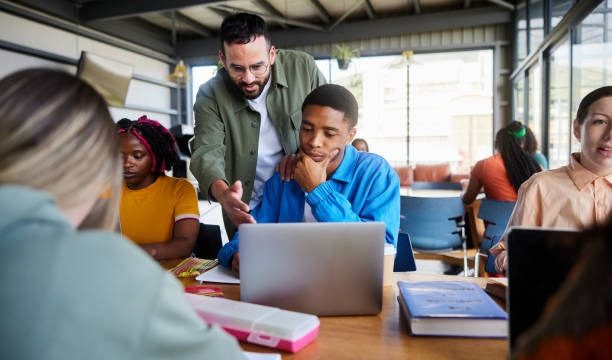
While individual problem-solving skills are important, the ability to collaborate with others can significantly enhance our effectiveness. Working with a diverse group of people brings different perspectives and experiences to the table, enriching the problem-solving process.
Collaboration isn’t just about dividing tasks; it’s about fostering open communication and sharing ideas. By engaging with others, we can challenge our assumptions and deepen our understanding of complex issues. Building strong relationships within our communities, whether at work or in our personal lives, can lead to innovative solutions that we might not have discovered on our own.
Cultivating patience
In our fast-paced world, patience can often feel like a rare commodity. However, it is a vital skill in the problem-solving process. Many challenges require time and careful consideration to unravel. When we cultivate patience, we create space for thoughtful analysis and creative thinking.
Practicing patience can take many forms, from mindfulness meditation to simply allowing ourselves the time to breathe and pause before reacting. By giving ourselves permission to take a step back, we can approach problems with a clearer mind and a more composed heart. This calmness not only aids in problem-solving but also contributes to our overall well-being.
Fostering creativity
Creativity is often seen as an innate talent, but it can also be cultivated as a skill. Engaging in creative activities—whether it’s painting, writing, or even brainstorming new ideas—can help us think outside the box when faced with challenges.
Creativity allows us to reframe problems and see them from different angles. When we approach a problem creatively, we are more likely to find unique solutions that may not be immediately obvious. By incorporating creative practices into our daily routines, we can enhance our problem-solving abilities and enrich our lives in the process.
Nurturing resilience
Resilience is the ability to bounce back from setbacks, and it plays a vital role in effective problem-solving. Life will inevitably present us with challenges, and our resilience helps us navigate these obstacles with grace.
Building resilience involves nurturing a positive mindset and learning to view failures as stepping stones rather than roadblocks. By reframing our experiences and focusing on what we can learn from them, we can develop the strength to tackle future challenges with confidence. This resilience not only improves our problem-solving skills but also fosters a greater sense of well-being.
The importance of self-care
Finally, it’s essential to recognize that our ability to solve problems is deeply intertwined with our overall well-being. Engaging in self-care practices helps us recharge and maintain a balanced perspective. When we prioritize our mental, emotional, and physical health, we are better equipped to face life’s challenges.
Self-care can take many forms, from regular exercise and healthy eating to spending time with loved ones or indulging in hobbies. By nurturing ourselves, we create a strong foundation from which to approach problems, ensuring that we are not only effective problem solvers but also fulfilled individuals.
In conclusion, strengthening our problem-solving abilities is a multifaceted journey that involves nurturing curiosity, reflection, adaptability, collaboration, patience, creativity, resilience, and self-care. By embracing these lifelong skills, we not only enhance our capacity to tackle challenges but also enrich our lives in meaningful ways. As we navigate the complexities of life, let us remember that each problem we encounter is an opportunity for growth and discovery, leading us to a deeper understanding of ourselves and the world around us.